

Walking into a Melbourne venue on a quiet arvo, you notice the new machines first. They favour cluster pays and expanding symbols over the traditional payline grid. That shift mirrors what happens in digital lobbies, where providers stack 243 ways to win pokies for players who prefer flexible symbol matching. My time building products for digital gambling applications taught me that lobby organisation matters more than raw game count. A cluttered shelf kills discovery, and players rarely scroll past the first screen of featured titles.
Game Mix and Provider Depth
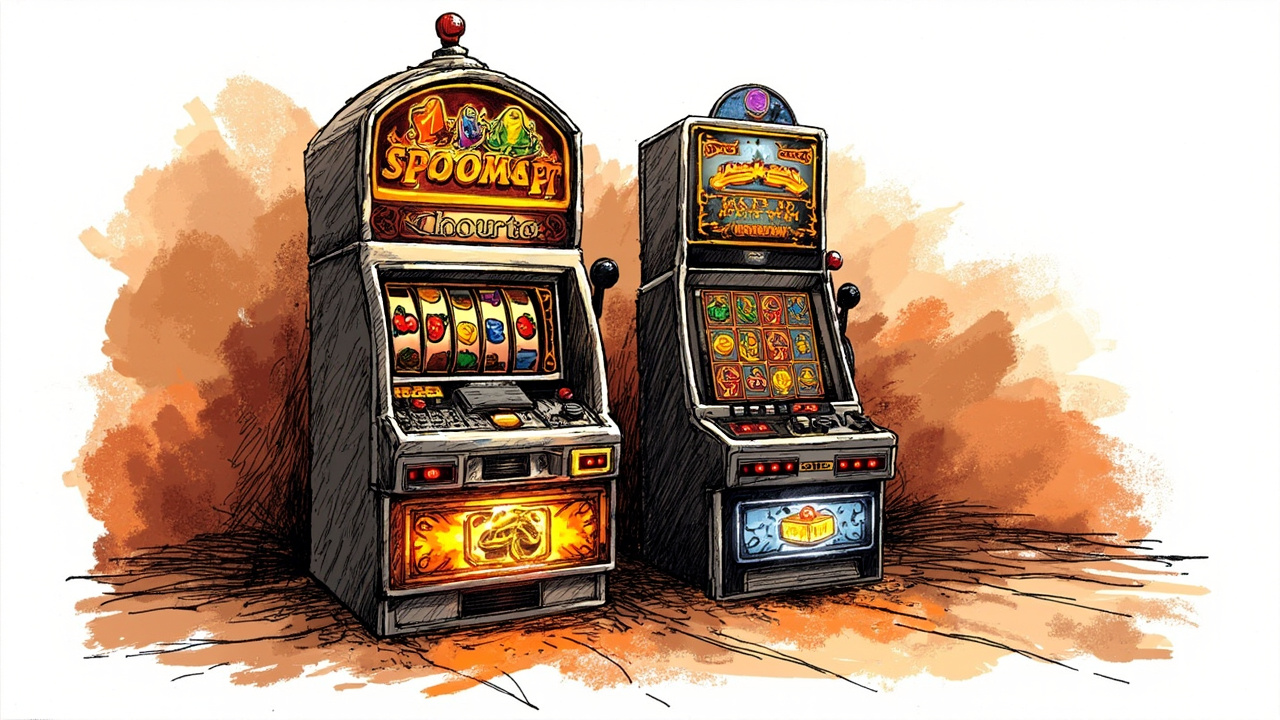
A strong lobby leans on a mix of established studios and a few newer names that test different volatility curves. You want a handful of Megaways-style titles sitting beside classic multiway reels, plus a couple of table and live options for players who need a break from spinning reels. The catalogue should surface providers that publish clear RTP ranges and explain how wild substitutions interact with scatter triggers. When I invested in a product team that rebuilt a slot lobby from scratch, we learned that grouping titles by mechanic rather than by studio helped players find what they actually wanted. The same logic applies here: a player chasing frequent small wins needs a different shelf than someone hunting bonus rounds with stacked multipliers. A lobby that mixes those intents without labelling them ends up confusing the very people it tries to serve.
Lobby Organisation and Discovery
Search and filter tools decide whether a lobby feels useful or just busy. Players need to sort by volatility, by minimum bet, by provider, and by feature type without reloading the page. A well-built lobby also tags each title with a short note about how the 243 ways to win pokies mechanic actually behaves, because the label alone does not explain whether symbols pay left to right, whether adjacent positions count, or whether the grid reshapes after a scatter drop. My go-to-market work on digital gambling applications showed me that discovery flaws cost more than slow load times. A player who cannot find a title in three taps will leave, and no amount of promotional banners brings them back. Melbourne operators know this, which is why several local-facing lobbies now keep a persistent filter bar above the game grid instead of burying it in a settings menu.
Bonus Mechanics and Payment Conditions
Bonus structures around multiway reels need clear wording, because the mechanic interacts with free spins, retriggers, and symbol upgrades in ways that a flat payline game does not. A sensible offer states the wagering multiple, the game weighting, and the max bet cap during bonus play, rather than hiding those limits behind a generic terms link. Payment options should match the pace of the lobby too. Players who top up in Australian dollars expect a straightforward path through cards or trusted e-wallets, with currency conversion shown before confirmation. I have seen product teams treat bonus eligibility as an afterthought, then watch players hit a max-bet restriction mid-session and quit. The cleaner approach is to surface the conditions at selection time, so the player knows exactly how the bonus applies to a 243 ways to win pokies title before they commit.
Mobile Play, Support, and Loyalty
Mobile performance decides whether a lobby survives a commute or an evening session on the couch. The same multiway grid that works on a desktop monitor needs to keep touch targets large enough for a phone screen, and the bet adjustment controls should not hide behind nested menus. Support quality matters just as much when a session stalls or a deposit sits pending. A practical support setup offers a live channel during busy hours and a readable email trail for anything that needs a paper record. Loyalty programmes work best when they reward frequency and session length rather than just turnover, because multiway players often run smaller stakes across longer stretches. I compared this approach with how several UK-facing platforms structure their rewards, and the difference is clear: overseas lobbies often push tiered bonuses that penalise casual play, while a more balanced local setup keeps the focus on consistent access and clear terms. https://goldenbetnodeposit.com
Glossary

- 243 ways to win pokies – a reel setup where adjacent symbols on consecutive reels form a win, usually paying left to right across 5 reels with 3 positions each.
- Volatility – how often and how large a game tends to pay, ranging from frequent small returns to rarer larger payouts.
- RTP – the theoretical long-term return percentage a game is built around, not a short-session guarantee.
- Wild substitution – a symbol that stands in for others to complete winning combinations, sometimes with special rules in multiway games.
- Scatter trigger – a symbol that usually starts free spins or a feature regardless of its position on the paylines or ways.
If you are weighing a lobby around 243 ways to win pokies, the real test is whether the game mix, filters, and bonus terms line up with how you actually play. A well-sorted shelf and honest conditions make the mechanic work for you, while a crowded lobby and vague rules turn it into a guessing game.